


Affiliate disclosure: This post contains affiliate links. If you purchase or subscribe through one of these links, I may earn a commission at no additional cost to you. Please review all prices, trial terms, renewal details, and cancellation requirements before enrolling.

Your credit affects more than your ability to get a credit card. It may influence whether you qualify for a mortgage, rent an apartment, finance a vehicle, or receive a competitive interest rate.
That is why waiting until you need financing to check your credit can be a costly mistake.
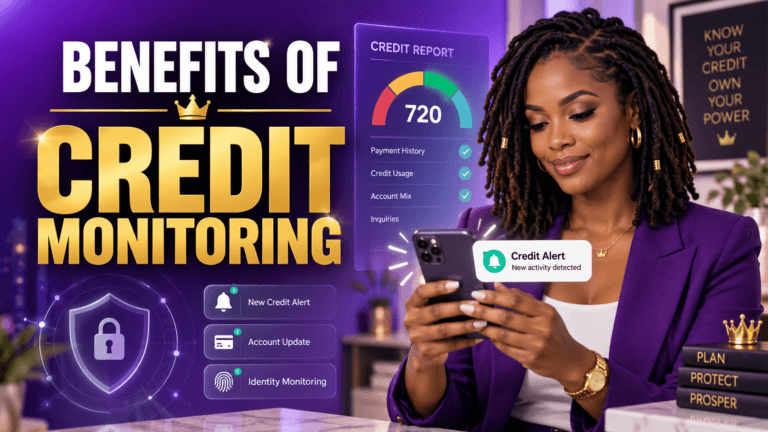
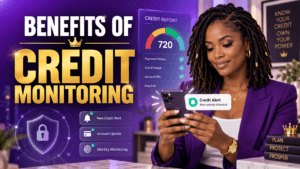
Credit monitoring helps you keep track of important changes in your credit history, spot possible reporting errors, and recognize suspicious activity before it creates an even bigger financial headache.
Let’s look at how credit monitoring works, what it can—and cannot—do, and how you can use it to keep your finances on track.
What Is Credit Monitoring?
Credit monitoring is a service that watches your credit file and alerts you when certain information changes.
Depending on the service and membership you choose, you may receive notifications when:
- A new credit account appears in your name
- A lender performs a hard credit inquiry
- Your account balance changes significantly
- A late payment is reported
- An account is opened or closed
- Your personal information changes
- A collection account appears
- Your credit score increases or decreases
Alerts may be delivered through email, text message, or a mobile app, depending on the provider.
Important: Credit monitoring does not guarantee that identity theft will be prevented. It generally alerts you after certain activity appears in your credit file.
The Consumer Financial Protection Bureau recommends reviewing a service’s costs, features, coverage, and cancellation terms before enrolling.
Credit Reports and Credit Scores Are Different
Although people often use the terms interchangeably, your credit report and credit score are two different things.
Your Credit Report
Your credit report contains information about your accounts, balances, payment history, inquiries, and certain personal information.
Your Credit Score
Your credit score is a three-digit number calculated using information found in a credit report.
You can have more than one credit score because different companies use different scoring models. Scores can also be calculated using information from different credit bureaus at different times.
Therefore, the score you see through a credit monitoring service may not be identical to the score a lender uses. Pay attention to the overall direction of your credit and make sure the information in your reports is accurate.
Do You Know What’s Happening With Your Credit?
Check your credit information and start paying closer attention to important changes.
Check Your Credit Score TodayReview the provider’s current membership, trial, renewal, and cancellation terms before enrolling.
Five Benefits of Credit Monitoring
1. It Can Help You Catch Suspicious Activity
Imagine receiving an alert for a credit card you never applied for. That could be an early warning that someone is attempting to use your identity.
The sooner you recognize suspicious activity, the sooner you can contact the company involved, review your reports, place a fraud alert or credit freeze, and begin correcting the problem.
2. It Can Help You Discover Reporting Errors
Credit reports are not always perfect. An account could display the wrong balance, a payment might be reported late incorrectly, or information belonging to someone with a similar name could appear in your file.
Credit monitoring may bring changes to your attention, but you must still investigate and dispute inaccurate information.
3. It Shows How Your Financial Habits Affect Your Credit
Regular monitoring allows you to observe how paying down a credit card, opening a new account, missing a payment, or increasing your balances may affect your credit profile.
Monitoring does not improve your score by itself. It gives you information that may help you make smarter financial decisions.

4. It Helps You Prepare Before Applying
You do not want to discover a credit problem while trying to purchase a car, rent a home, or qualify for a mortgage.
- Check for inaccurate information
- Pay down high credit card balances
- Bring past-due accounts current
- Investigate unfamiliar inquiries
- Decide whether you should apply now or wait
5. It Encourages Financial Awareness
Think of credit monitoring like the dashboard in your car. The dashboard does not drive the car or repair the engine, but it warns you when something may require your attention.
Want to improve your credit? Read Building Credit the Smart Way: Why It Matters and How to Improve It .
What Should You Look for in a Credit Monitoring Service?
Credit-Bureau Coverage
Find out whether the service monitors one credit bureau or all three major bureaus: Equifax, Experian, and TransUnion. Broader monitoring may be useful because information can differ among your reports.
Alert Speed and Delivery
Look at whether alerts are delivered through email, text message, or a mobile app. An alert is most useful when you receive it quickly enough to investigate the change.
Credit-Score Access
Check how often your score is updated and which scoring model is shown. A score provided for educational purposes may differ from the score used by a lender.
Identity-Theft Features
Some plans may include identity monitoring, restoration assistance, or identity-theft insurance. Review all terms and limitations carefully because not every loss or expense is necessarily covered.
Price and Cancellation Requirements
Some services advertise a free score or trial but begin charging a recurring membership fee after the trial period. Before entering your payment information, confirm:
- How long the trial lasts
- What the regular price will be
- Which features are included
- Whether the membership automatically renews
- How to cancel
- Whether refunds are available
For more help, read What to Look for in a Credit Monitoring Service .
Start Monitoring Your Credit
If you want convenient access to your credit information, a credit monitoring membership may help you watch your credit activity and better understand the factors affecting your score.
Depending on the membership selected and its current terms, available features may include:
- Access to credit-score information
- Credit monitoring
- Notifications about important changes
- Periodic score updates
- Educational credit information
- A dashboard for reviewing credit activity
Please review the provider’s current pricing, trial, renewal, monitoring, and cancellation terms before enrolling.

Do You Still Need to Review Your Credit Reports?
Yes. Credit alerts are helpful, but they should not completely replace reviewing your full credit reports.
You can obtain free weekly online credit reports from Equifax, Experian, and TransUnion through AnnualCreditReport.com , the federally authorized source for free credit reports.
Good to know: Checking your own credit report does not lower your credit score.
When reviewing your reports, look for:
- Accounts you do not recognize
- Incorrectly reported late payments
- Balances that appear inaccurate
- Duplicate collection accounts
- Addresses where you never lived
- Unfamiliar hard inquiries
- Accounts incorrectly listed as open or closed
- Information that belongs to someone else
Credit Monitoring vs. a Credit Freeze
Credit Monitoring
Alerts you when certain information in your credit file changes.
Credit Freeze
Restricts prospective creditors from accessing your credit file.
A credit freeze can make it more difficult for an identity thief to open a new account in your name. Federal law allows you to freeze and unfreeze your reports for free, but you must contact Equifax, Experian, and TransUnion separately.
Learn more from the CFPB’s official guide to credit freezes .
Frequently Asked Questions
Does checking my own credit lower my score?
No. Reviewing your own credit is considered a soft inquiry and does not damage your credit score.
Can credit monitoring prevent identity theft?
No service can guarantee that identity theft will not happen. Monitoring may help you identify certain suspicious changes after they appear.
Will credit monitoring improve my score?
Credit monitoring does not directly raise your score. It can help you understand your credit, identify possible errors, and make more informed decisions.
Why is my score different from my lender’s score?
Consumers have multiple credit scores. Scores may vary according to the credit bureau, scoring model, information used, and date calculated.
Is free credit monitoring really free?
Sometimes, but not always. Certain offers are free only during a trial and convert to paid memberships afterward. Read the pricing, renewal, and cancellation terms before enrolling.
How often should I check my credit?
Review all three reports regularly and check them before applying for major financing. More frequent monitoring may be helpful if you are rebuilding your credit or concerned about fraud.
Take Control of Your Credit Today
Do not wait until a lender rejects your application or an unfamiliar account appears before paying attention to your credit.
Combine credit monitoring with regular credit-report reviews, responsible borrowing, on-time payments, and quick action when something looks wrong.
Check Your Credit Score NowAffiliate link. Review the provider’s current terms before enrolling.