


The Credit Queen Book Review
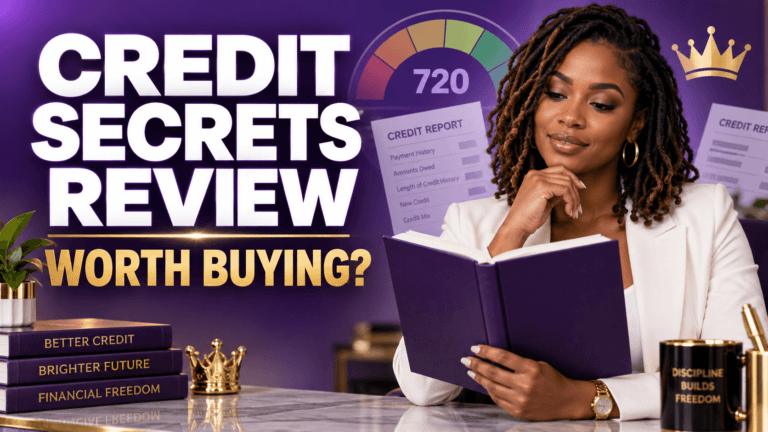
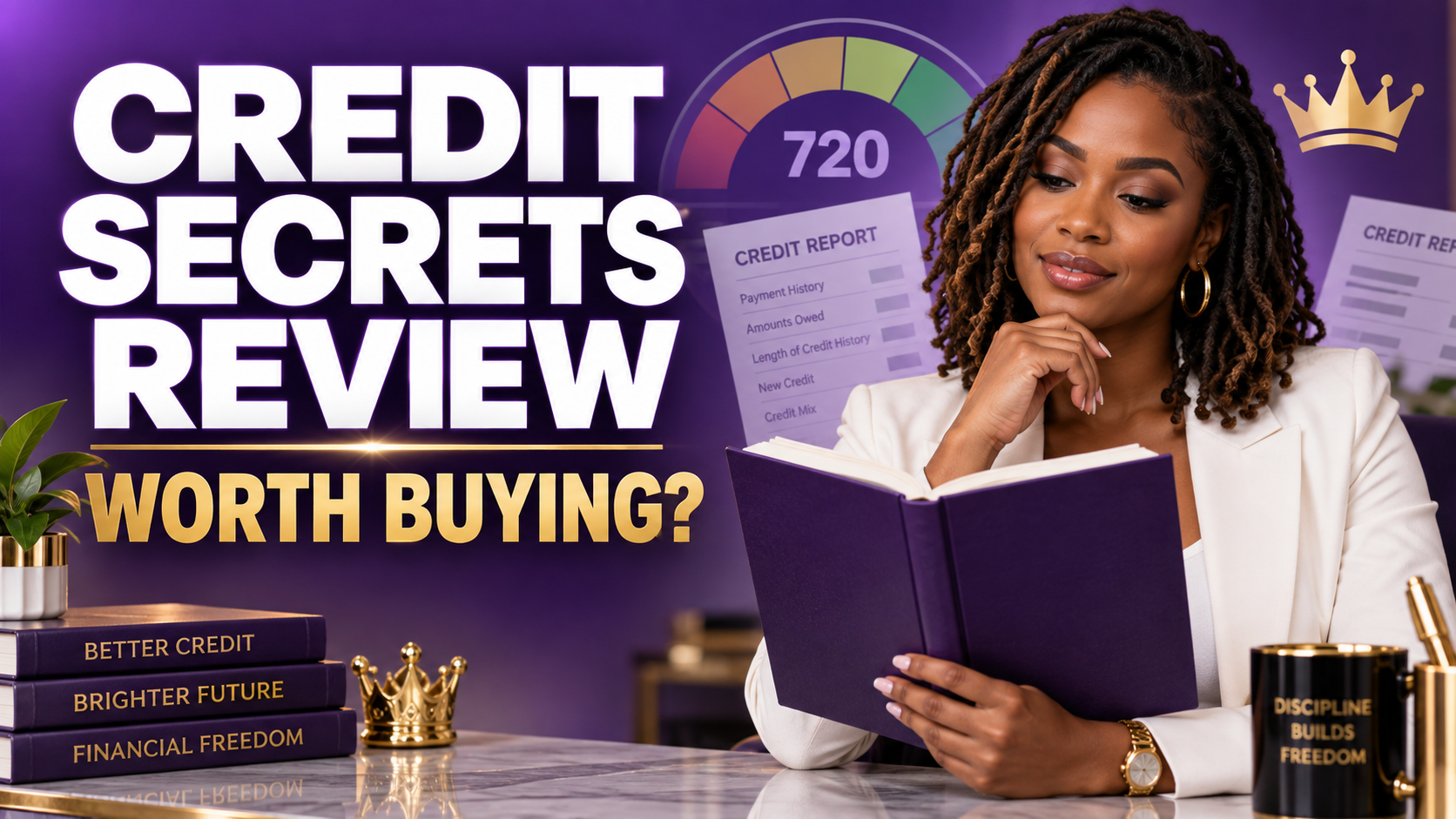
Credit Secrets Book Review 2026: Is It Worth Buying?
An honest look at the credit-education book by Scott and Alison Hilton—what it promises, what readers should expect, and what no credit book can legally do.

Amazon affiliate disclosure: As an Amazon Associate, The Credit Queen earns from qualifying purchases. If you buy through a link in this article, we may receive a commission at no additional cost to you. Product prices and availability can change at any time.
If you have searched for ways to repair or rebuild your credit, you may have encountered Credit Secrets by Scott and Alison Hilton. Its message is appealing: ordinary consumers can learn how credit works, challenge reporting errors, and take more control of their financial lives.
But is Credit Secrets genuinely useful, or is it another product built around promises of fast credit repair?
This review takes a balanced look at the book based on its publicly available description, reader feedback, and current consumer-protection guidance. It is not a promise that the strategies will produce a particular score increase, and it is not a claim that every reader will have the same experience.
What Is the Credit Secrets Book?
Credit Secrets is a consumer credit-education book by Scott and Alison Hilton. The Amazon listing describes it as the story and system the authors used while taking control of their credit and finances after experiencing financial hardship.
The book is positioned as a practical guide for people who want to better understand credit reporting and improve their financial situation. Available descriptions indicate that it discusses topics such as credit reports, disputes, debt collection, rebuilding credit, and the habits that influence a consumer’s credit profile.
This is important: the book should be approached as educational material—not as a guaranteed credit-repair service. Reading a book will not automatically change your reports or scores. You must review your own information, identify legitimate errors, follow the correct dispute process, and build healthier financial habits over time.
Quick Credit Secrets Review
| Category | Our Assessment |
|---|---|
| Best for | Beginners who want a structured introduction to personal credit and DIY credit improvement. |
| Main strength | It may make a confusing subject feel more approachable and actionable. |
| Main limitation | Credit laws, bureau procedures, and scoring practices change, so older material should be verified using current official sources. |
| Does it guarantee results? | No book can guarantee that legitimate negative information will disappear or that a score will rise by a specific amount. |
| Overall verdict | Potentially useful as a beginner’s starting point, provided readers verify advice and avoid treating it as a shortcut. |
What Can You Expect to Learn?
Although the usefulness of any financial book depends on the reader’s situation, Credit Secrets is likely to appeal to people seeking help with the following areas:
- Understanding the information contained in a credit report
- Recognizing inaccurate or unfamiliar entries
- Learning how the dispute process generally works
- Communicating with credit bureaus, creditors, and debt collectors
- Understanding common behaviors that can affect credit
- Developing a more organized approach to rebuilding credit
If credit terminology is completely new to you, start with our guide to credit reports and what they contain. You may also want to read Credit Reports vs. Scores before attempting any repair strategy.

What We Like About Credit Secrets
1. It encourages consumers to become informed
Many people avoid checking their credit because the terminology feels intimidating. A structured book can make it easier to understand accounts, inquiries, collections, balances, and payment history.
That knowledge matters. You should understand what companies are reporting about you instead of waiting until a mortgage, apartment, or credit-card application is denied.
2. It supports a do-it-yourself mindset
Consumers have the right to dispute information they genuinely believe is inaccurate or incomplete. You do not have to pay a credit-repair company to exercise that right.
The Consumer Financial Protection Bureau’s dispute guide explains that consumers can dispute errors with the credit bureau and the business that furnished the information.
3. The personal-story approach may keep beginners engaged
Financial education can be dry. Connecting lessons to the authors’ financial setbacks and recovery may make the material more relatable for readers who feel embarrassed, discouraged, or overwhelmed by their credit.
Important Limitations to Consider
The title can sound more mysterious than the subject really is
There are no secret legal loopholes that force credit bureaus to erase accurate, current negative information. Some credit strategies are simply consumer rights, careful documentation, timely payments, lower balances, patience, and consistent follow-up.
The CFPB states that accurate negative information generally cannot be removed simply because a consumer dislikes it. Most negative information can remain on a report for approximately seven years, depending on the type of information. You can dispute entries that are inaccurate, incomplete, duplicated, mixed with someone else’s file, or connected to identity theft.
Some information may need a current update
Credit-reporting rules, bureau websites, dispute procedures, and available consumer tools can change. Treat the book as a foundation, then confirm important instructions through the CFPB, Federal Trade Commission, and the three credit bureaus.
No specific score increase is guaranteed
Two people can take similar steps and receive different results because their credit files are different. Results may depend on the accuracy of the disputed item, the rest of the person’s credit history, balances, payment activity, account age, and the scoring model being used.
For a clearer explanation of score factors, visit Demystifying Credit Scores: How They’re Calculated.
The Credit Queen’s reality check: Be cautious of any book, course, influencer, or company claiming it can delete every negative item, create a new credit identity, or guarantee a particular score. Accurate and current negative information generally cannot be legally removed just because it is hurting your score.
What Do Readers Say?
Public feedback is mixed. Some readers describe the material as motivational and useful for understanding credit repair. Others question whether the information is worth the price or express concern about broader program offers connected with the Credit Secrets brand.
Goodreads displays a mid-range reader rating rather than universal praise, and online discussions include both supporters and skeptical consumers. This does not prove that the book is good or bad. It demonstrates why buyers should evaluate the book itself separately from advertisements, upsells, membership programs, or promises made elsewhere.
When buying through Amazon, check the most recent verified-purchase reviews, the seller, the book’s condition, the return terms, and the current price before ordering.
Who Is This Book Best For?
Credit Secrets may be appropriate for:
- Beginners who have never studied their credit reports
- Readers who prefer one organized resource instead of scattered online articles
- Consumers who want to attempt legitimate DIY disputes
- People rebuilding after missed payments, collections, or financial hardship
- Readers who learn well through personal stories and practical guidance
It may not be the best choice for:
- Someone expecting an instant or guaranteed score increase
- A consumer hoping to remove accurate negative information through a loophole
- An experienced credit professional seeking advanced legal analysis
- Someone who cannot comfortably afford the current purchase price
- A person who needs individualized legal, bankruptcy, or debt-relief advice
How to Use the Book Responsibly
- Get all three reports. Visit AnnualCreditReport.com, the federally authorized source for free reports.
- Mark only genuine problems. Identify inaccurate, incomplete, duplicated, mixed, outdated, or fraudulent information.
- Keep documentation. Save reports, statements, letters, confirmation numbers, and delivery records.
- Verify advice. Confirm dispute instructions and legal claims through current official sources.
- Do not file false identity-theft claims. Never claim legitimate debt is fraudulent simply to have it blocked.
- Build positive habits too. Pay on time, keep card balances manageable, avoid unnecessary applications, and follow a realistic budget.
Credit improvement is not only about removing errors. It is also about adding consistent positive information. Our article Building Credit the Smart Way explains the habits that matter.
Is Credit Secrets Worth Buying?
The answer depends on your experience, learning style, and the current price.
If you are new to credit and want a physical resource that organizes the subject into one place, Credit Secrets may provide useful motivation and direction. The authors’ story may also reassure readers who feel that damaged credit cannot be rebuilt.
However, the book should not be treated as a magic formula. Much of the essential information about credit reports, disputes, and consumer rights is also available free from federal agencies. Experienced readers may find that a beginner-level guide repeats concepts they already know.
Our verdict: It may be worth considering as a structured introduction to DIY credit education, but compare its current price with free official resources and approach dramatic credit-repair claims cautiously.
Want to Read Credit Secrets?
Review the current price, format, seller details, delivery estimate, and recent customer feedback before purchasing.VIEW THE BOOK ON AMAZON
As an Amazon Associate, The Credit Queen earns from qualifying purchases. We may receive a commission at no additional cost to you.
Frequently Asked Questions
Who wrote Credit Secrets?
The book is attributed to Scott and Alison Hilton.
Can Credit Secrets remove negative information?
A book cannot remove information from a credit report. You can dispute information you believe is inaccurate or incomplete, but accurate and current negative information generally cannot be legally deleted simply because it is damaging your score.
Can I repair my own credit for free?
Yes. Federal law gives you the right to review your reports and dispute inaccurate information without paying a credit-repair company. A book may help organize the process, but it is not required.
Will the book raise my credit score?
Simply purchasing or reading it will not change your score. Any change depends on the actions you take, the information in your reports, and the scoring model used.
Where can I buy Credit Secrets?
The book is available through Amazon and may also be offered by third-party booksellers. Confirm that you are viewing the edition and authors you intend to purchase.
Final Thoughts
Credit Secrets may help beginners feel less intimidated by credit reports and the rebuilding process. Its value is likely to come from education, organization, and encouragement—not hidden shortcuts.
Use the book as one resource among many. Verify important guidance, dispute only legitimate inaccuracies, and remember that lasting credit improvement normally comes from accurate reporting and better financial habits practiced consistently.
Educational disclaimer: This article is for general educational purposes and is not legal, financial, debt-relief, or individualized credit advice. We have not promised any particular result. Product details, prices, and availability can change.