


CREDIT CARD BASICS
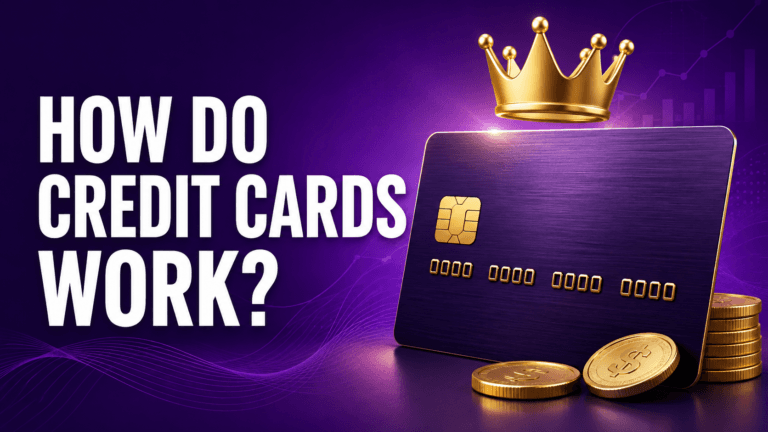
How Do Credit Cards Work?
Learn how credit limits, payments, interest and fees work—and how to use a credit card without letting debt take control.
Credit cards can help you make purchases, handle emergencies and build a positive credit history. But if you do not understand how they work, they can also lead to expensive interest charges and growing debt.
The simple explanation is this: a credit card lets you borrow money from a card issuer to make purchases. You must repay what you borrow, and you may be charged interest if you do not pay the entire statement balance by the due date.
What Happens When You Use a Credit Card?
When you use your credit card at a store or online, the card issuer pays the merchant on your behalf. The amount is then added to your credit card balance.
For example, imagine that your card has a $1,000 credit limit and you use it to buy $200 worth of groceries and household items:
- Your current balance becomes $200.
- Your remaining available credit becomes $800.
- When you make a payment, your available credit normally increases again.
As you make additional purchases, your balance grows. Your card issuer records those transactions and sends you a statement after the billing cycle ends.
Understanding Your Credit Limit
Your credit limit is the maximum amount the card issuer allows you to borrow on that account. Your limit may be based on factors such as your income, credit history, existing debts and the issuer’s approval standards.
Being approved for a $5,000 limit does not mean you should spend $5,000. Using too much of your available credit may make repayment more difficult and could affect your credit profile.
You can learn more about establishing healthy credit habits in Building Credit the Smart Way .
What Is a Billing Cycle?
A billing cycle is the period during which your credit card transactions are collected for a statement. When the cycle closes, the issuer creates a statement showing important information, including:
- Your previous and current balances
- Purchases, payments and credits
- The minimum payment due
- The payment due date
- Interest and fees charged
- Your available credit
Review every statement carefully. If you notice a purchase you do not recognize, contact your card issuer promptly.
Statement Balance vs. Current Balance
These two numbers are easy to confuse:
Statement Balance
The amount you owed when your most recent billing cycle ended.
Current Balance
Your statement balance plus newer transactions, minus payments or credits posted since the statement closed.
If your card provides a grace period, paying the full statement balance by the due date will generally help you avoid interest on purchases.
What Is the Minimum Payment?
The minimum payment is the smallest amount you must pay to keep the account from becoming past due. Paying only that amount does not eliminate the remaining balance.
The unpaid portion usually carries over to the next billing cycle and may accumulate interest. According to the Consumer Financial Protection Bureau , making only minimum payments could cause a credit card balance to take years to repay.
How Does Credit Card Interest Work?
Interest is the price you pay for borrowing money. A credit card’s interest rate is usually expressed as an annual percentage rate, or APR.
Many issuers calculate interest daily. The higher your balance and the longer you carry it, the more interest you may pay.
Most cards let you avoid interest on purchases when the card has a grace period and you pay the full balance by the due date. However, cash advances and certain other transactions may begin accumulating interest immediately.
Read the cardholder agreement because the APR for purchases, cash advances and balance transfers may be different. The CFPB’s credit card glossary explains these terms in more detail.
What Is a Grace Period?
A grace period is the time between the end of a billing cycle and the payment due date. During this period, you may avoid interest on purchases by paying your full balance on time.
Credit card companies are not required to provide grace periods, although many cards offer them for purchases. Confirm your card’s rules in its agreement. You can also read the CFPB’s explanation of credit card grace periods .
Common Credit Card Fees
Depending on the card and how you use it, you could encounter:
- Annual fees: A yearly charge for keeping the account open.
- Late-payment fees: Charged when a required payment is not received on time.
- Balance-transfer fees: Charged for moving debt from one card to another.
- Cash-advance fees: Charged when you use the card to obtain cash.
- Foreign-transaction fees: May apply to purchases processed outside the United States.
Compare the APR, annual fee and other charges before applying. Rewards are not valuable if fees and interest cost more than the benefits you receive.
How Credit Cards Can Affect Your Credit
Credit card activity may be reported to the major credit bureaus. Paying on time and keeping your balance manageable can support a healthier credit history. Late payments, high balances and defaults can work against you.
Important habits include:
- Pay every bill on time.
- Keep balances low relative to your limits.
- Avoid applying for several cards at once.
- Review your statements and credit reports regularly.
- Only charge what your budget can repay.
Learn the difference between the information in your report and the number calculated from it in Credit Reports vs. Credit Scores .
A Simple Example
Credit limit: $2,000
Purchases during the billing cycle: $300
Statement balance: $300
Payment by the due date: $300
Result: If the card has a grace period and no other balance is owed, paying the full $300 statement balance on time would generally avoid purchase interest.
If you paid only the minimum, the remaining balance would likely carry over and begin accumulating interest under the terms of the account.
Seven Rules for Using Credit Cards Wisely
- Use the card for planned purchases—not as extra income.
- Check your balance before making another purchase.
- Pay the full statement balance whenever possible.
- Set up payment reminders or automatic minimum payments.
- Keep an emergency fund so the card is not your only backup.
- Read promotional terms, especially deferred-interest offers.
- Monitor your credit reports for errors or unfamiliar accounts.
You can obtain your reports through AnnualCreditReport.com , the federally authorized website for free credit reports.
Frequently Asked Questions
Do I pay interest every time I use my credit card?
Not necessarily. If your card has a grace period and you pay the full statement balance by its due date, you can generally avoid interest on purchases.
Does paying the minimum hurt my credit?
An on-time minimum payment may prevent the account from being reported as late, but carrying a large balance can still be expensive and may affect your credit profile.
Can a credit card help build credit?
It can. Consistent on-time payments and responsible balance management can help establish a positive payment history. Results are not guaranteed, and credit-scoring models consider multiple factors.
Should I close a credit card after paying it off?
Not automatically. Closing an account may reduce your total available credit. Consider the account’s age, fees, benefits and your ability to avoid unnecessary spending before deciding.
Final Thoughts
Credit cards are financial tools. Used carefully, they can provide convenience and help you establish credit. Used without a repayment plan, they can become an expensive source of debt.
Before charging a purchase, ask yourself one question: Can I repay this when the statement arrives? That simple habit can help you remain in control of the card instead of allowing the card to control your finances.
Stay on Top of Your Credit
Regular monitoring can help you spot changes, errors and potentially suspicious activity.
CHECK YOUR CREDITAffiliate disclosure: We may receive compensation if you use this link, at no additional cost to you.
Educational disclaimer: This article provides general educational information and is not individualized financial, legal or credit advice. Credit card terms and credit outcomes vary.