




How to Start Building Credit with No Money
You do not need to be wealthy, carry debt, or pay a credit-repair company to begin improving your credit profile. Start with the free steps available to you, then add a credit-building product only when it fits your budget.
First, an Honest Answer
You can begin the credit-building process without spending money. However, if you have no reported credit accounts at all, creating a full credit history may eventually require access to an account that reports payments.
This could include becoming an authorized user, using an existing account, or qualifying for a suitable starter product.
You do not need to carry a balance or pay interest to build credit. No legitimate method can guarantee a particular score increase.
What “Building Credit” Really Means
Credit scores are calculated from information in your credit reports. If lenders do not report any accounts under your name, a scoring model may not have enough information to generate a score.
Your first goal is therefore not to chase a magic number. Your goal is to create accurate, positive information that can be reported consistently over time.
The Consumer Financial Protection Bureau explains that there is no secret formula for building a strong credit score .
Paying reported accounts on time and keeping credit-card balances manageable are two of the most important habits.
Seven Steps You Can Start Without Spending Money
Check All Three Credit Reports
Before applying for anything, find out whether you already have a credit file. Request your reports from Equifax, Experian, and TransUnion through AnnualCreditReport.com , the federally authorized source.
The site currently provides free weekly online reports and does not require a credit card.
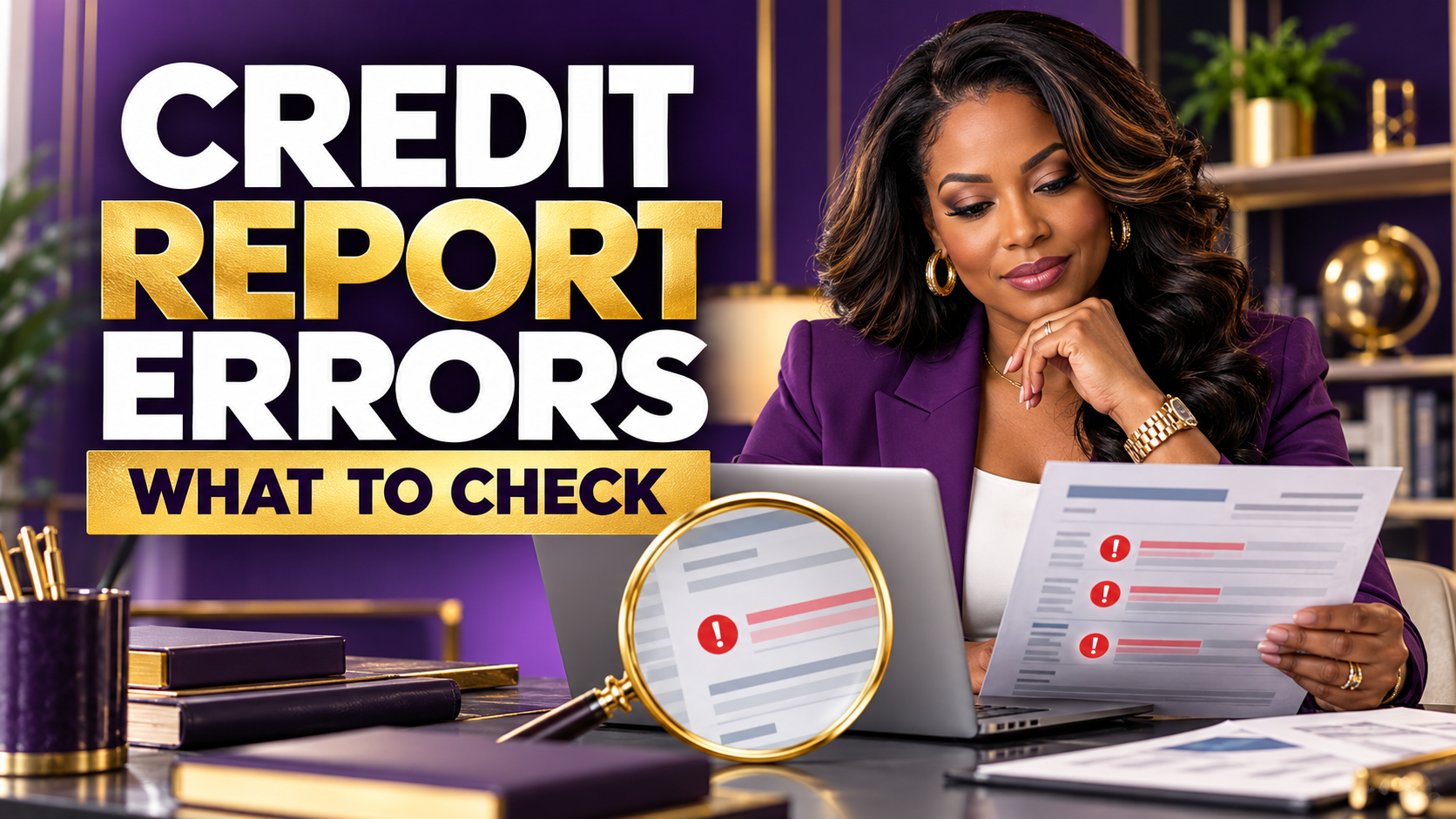
Dispute Genuine Reporting Errors
An incorrect late payment, balance, collection, or unfamiliar account can hurt your credit profile. Disputing an actual error is free.
Gather supporting records, contact both the credit bureau and the company that furnished the information, and keep copies of everything you submit.
Use this guide to learn how to identify errors on your credit report .
Protect Every Account You Already Have
If an existing loan or credit card appears on your reports, protect its payment history. Pay at least the required amount by the due date.
Contact the lender before missing a payment if you are struggling. Automatic minimum payments can help, but only use them when you know enough money will be available in the bank.
Ask About Becoming an Authorized User
A trusted relative or partner may be willing to add you as an authorized user on a well-managed credit card without giving you the physical card or permission to spend.
Ask the card issuer whether it reports authorized-user activity to the nationwide credit bureaus.
This strategy is not risk-free. A high balance or late payment on the primary cardholder’s account may also appear on your report. Only consider an account with a long history of on-time payments and a low balance.
Ask Whether Your Rent Is Already Reported
Contact your landlord or property manager and ask whether positive rent payments are reported to any credit bureau.
If reporting is already included in your lease or resident benefits, you may be able to receive credit for payments you are already making without adding a new fee.
Do not assume that rent or utility payments automatically build credit. The CFPB notes that rental information may be handled differently by each bureau , and many ordinary utility payments are not routinely included in traditional credit reports.
Use Free Financial Counseling When You Need a Plan
A legitimate nonprofit credit counselor may provide a free initial budget or credit consultation.
Counseling cannot erase accurate negative information, but it may help you prioritize bills, understand your reports, and avoid expensive mistakes.
Confirm all costs before agreeing to a debt-management plan or another paid service.
Wait Before Applying Repeatedly
Submitting multiple applications will not create good credit faster. Each application may cause a hard inquiry, and every new account can introduce costs you cannot afford.
Begin with your reports, correct genuine errors, and select one suitable path instead of applying everywhere.
Free to Start vs. Products That Usually Cost Money
| Usually Free to Begin | Usually Requires Money or Payments |
|---|---|
| Reviewing your three credit reports | Providing a secured credit-card deposit |
| Disputing legitimate credit-reporting errors | Making credit-builder loan payments and paying possible fees |
| Becoming an authorized user when the cardholder and issuer permit it | Using a paid rent-reporting service |
| Using and paying an account you already have | Purchasing credit monitoring with premium features |
| Asking whether your current rent payments are already reported | Paying interest or fees on unsuitable starter products |
If You Eventually Have a Small Amount Available
After completing the free steps, you may decide that a credit-building account is appropriate. Compare the total cost, reporting practices, eligibility requirements, interest rates, fees, and refund rules before signing up.
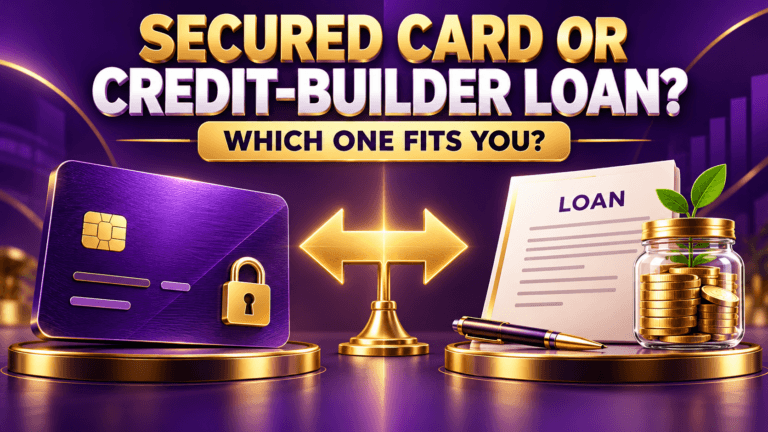
Secured Credit Card
A secured credit card generally requires a refundable security deposit that becomes the card’s credit limit.
Confirm that the issuer reports account activity to all three nationwide credit bureaus. Use the card for one small, planned purchase and then pay the statement balance in full by the due date.
You never need to carry debt or pay interest merely to build credit.
Credit-Builder Loan
With many credit-builder loans, the borrowed amount is held in a restricted savings account while you make monthly payments. You receive the funds after completing the agreement, minus applicable interest or fees.
The CFPB lists secured cards and credit-builder loans as possible ways to establish credit , but neither option is free and neither guarantees results.
Avoid These Expensive Mistakes
- Do not pay someone to create a CPN or a supposed new credit identity.
- Do not dispute accurate information simply because it is negative.
- Do not take out a payday loan to build credit. Payday loans generally do not help establish positive history with the nationwide credit bureaus.
- Do not pay strangers to add you to purchased tradelines.
- Do not carry a credit-card balance because someone said paying interest improves your score.
- Do not open several accounts at the same time.
A Simple 30-Day No-Money Credit Plan
Days 1–3: Obtain and save all three credit reports.
Days 4–7: Highlight unfamiliar accounts, incorrect balances, and payment errors.
Week 2: File properly documented disputes for genuine inaccuracies.
Week 3: Ask a trusted person about authorized-user status and ask your landlord whether rent is already being reported.
Week 4: Set payment reminders for existing accounts and review your reports for changes.
How Long Does Building Credit Take?
Building credit is a process, not a weekend project. Your timeline depends on whether you already have a credit file, what information appears in it, which scoring model a lender uses, and how consistently your reported accounts are managed.
Focus on creating months of accurate, on-time activity instead of checking your credit score every day.
Ready to Track Your Progress?
SmartCredit offers credit and identity-monitoring features that may help you follow changes in your credit profile.
Review the current price, trial terms, credit-bureau coverage, features, and cancellation policy before enrolling.
Explore SmartCreditAffiliate disclosure: The Credit Queen may earn a commission if you enroll through this link, at no additional cost to you. SmartCredit is a paid service and is not required to build credit. No credit-score increase is guaranteed.
Frequently Asked Questions
Can I Build Credit Without a Credit Card?
Yes. Possible alternatives include a credit-builder loan, reported rent payments, or another installment account. However, these options may charge fees or require monthly payments.
Becoming an authorized user may be free when a trusted cardholder and the credit-card issuer permit it.
Does Paying My Phone or Utility Bill Build Credit?
Usually not automatically. Some providers or reporting services may add eligible payments, but credit-bureau and scoring-model coverage varies.
Unfortunately, an unpaid bill sent to collections may still damage your credit even when positive payments were never reported.
Do I Need to Carry a Credit-Card Balance?
No. Carrying a balance can cause interest charges and does not provide a special credit-building advantage.
Paying the statement balance in full and on time is normally the safer and less expensive approach.
Can I Start Building Credit if I Have No Income?
You can review your reports, dispute genuine errors, learn about credit, and explore authorized-user status without income.
However, do not open an account with required payments unless you have a dependable way to meet those obligations.
The Bottom Line
Start with what is free: check your reports, correct genuine errors, protect existing accounts, ask about authorized-user reporting, and find out whether your rent is already reported.
When money becomes available, choose one affordable credit-building product only after comparing its total cost and confirming that it reports positive payment activity.
Educational disclaimer: This article provides general educational information and is not individualized financial, legal, or credit-repair advice. Credit-scoring results vary by credit file, scoring model, and lender. Product terms, costs, and reporting policies can change, so verify current information before enrolling.