


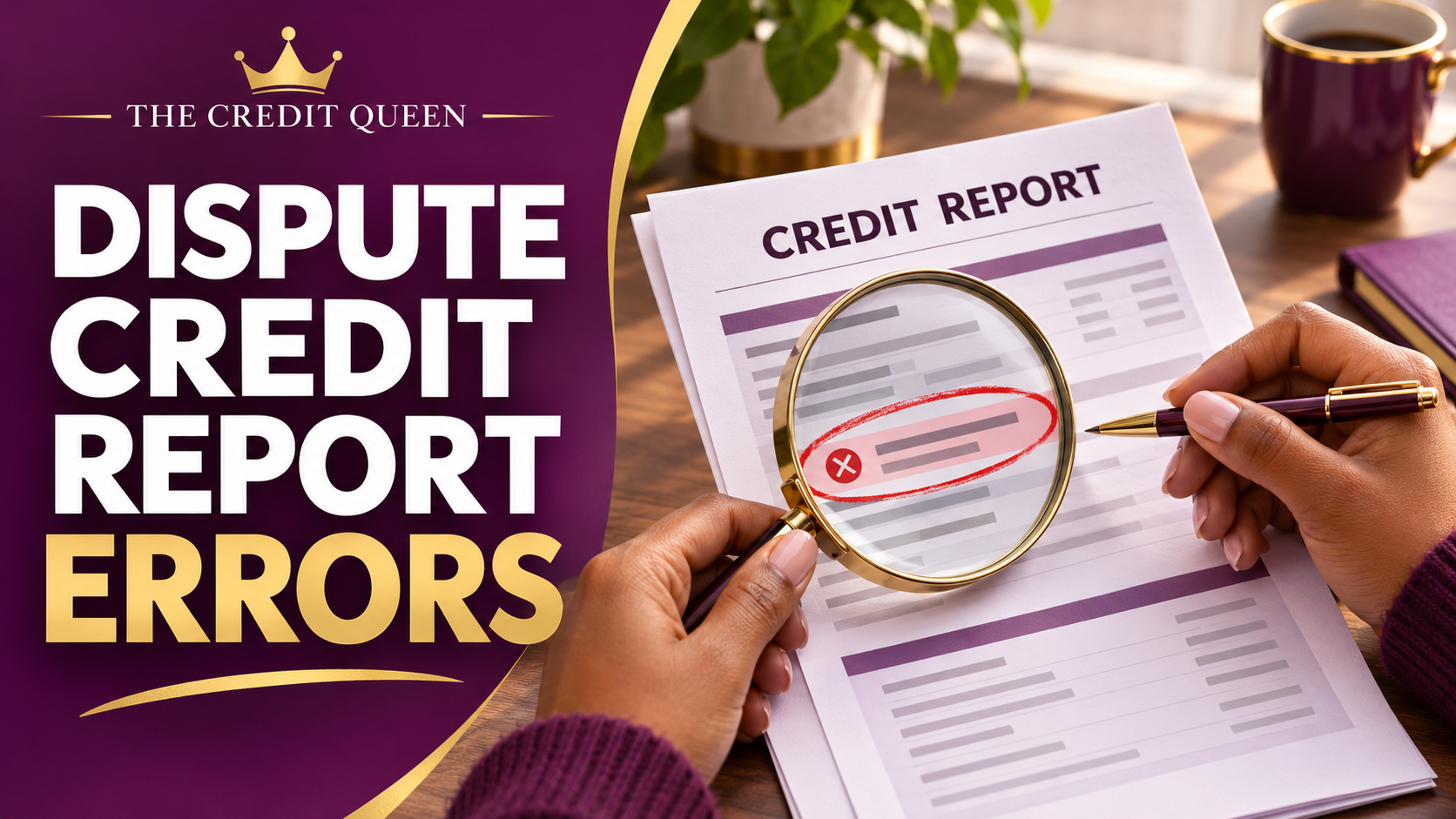
How to Dispute Inaccurate Debts on Your Credit Report

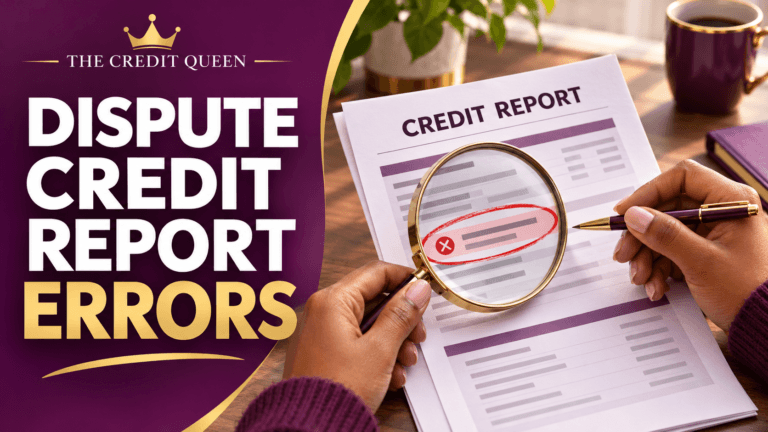
An inaccurate mark or a fraudulent collection account on your credit report can drop your score by tens or even hundreds of points. Whether it’s a forgotten account mislabeled as delinquent, an incorrect balance, or a identity mix-up, you don’t have to sit back and accept it. Under federal law, you have the absolute right to demand accuracy.
Here is your step-by-step guide to spotting, disputing, and permanently removing inaccurate debts from your credit report so you can reclaim your financial power.
Step 1: Pull Your Complete Credit Reports
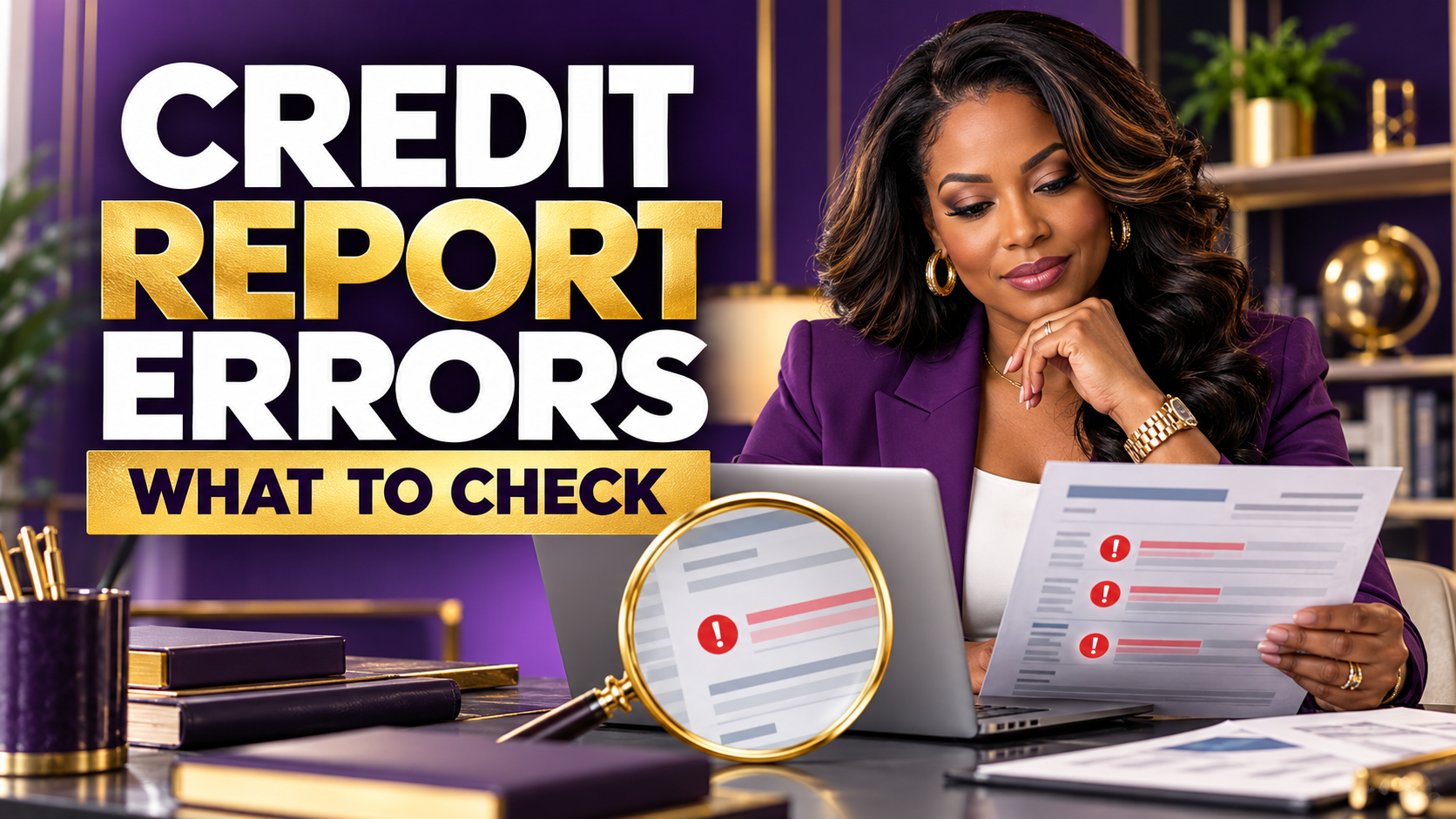
Before you can dispute an error, you need to see exactly what each bureau is reporting. The three major credit bureaus—Equifax, Experian, and TransUnion—operate independently, meaning an error might show up on one report but not the others.
You are entitled to free weekly copies of your credit reports from all three bureaus via AnnualCreditReport.com. Check out our detailed guide on how to read your credit report like a pro to spot hidden errors quickly.
Step 2: Identify Common Types of Inaccurate Debts
Look closely at your reporting history for the following red flags:
- Identity Errors: Debts belonging to someone else with a similar name, or accounts opened under fraudulent identity theft.
- Incorrect Account Status: Debts marked as unpaid or in collections that were already paid in full or settled.
- Outdated Information: Negative information older than 7 years (or bankruptcies older than 10 years) that should have naturally fallen off. Check out our overview on credit report statutes of limitations for full timelines.
- Duplicate Debts: A single original debt reported multiple times because it was sold between collection agencies.
- Incorrect Balances or Limits: Wrong total debt amounts or reported credit limits that artificially inflate your credit utilization.

Step 3: Gather Supporting Documentation
The Fair Credit Reporting Act (FCRA) requires bureaus to investigate disputes, but strong proof makes your case undeniable. Gather copies (never send originals) of:
- Bank statements showing paid balances or canceled checks
- Settlement letters from creditors
- Police reports or fraud affidavits (if disputing identity theft)
- Correspondence with the original lender
Step 4: Draft and Submit Your Dispute Letter
While bureaus offer online dispute portals, sending a written dispute letter via Certified Mail with Return Receipt Requested provides a legal paper trail that holds bureaus accountable to strict timelines.
Your dispute letter should clearly state:
- Your full legal name, address, date of birth, and Social Security Number.
- The specific account name, account number, and reason for the dispute.
- A clear demand that the inaccurate item be updated or removed immediately.
- Enclosed copies of your supporting documents.
Grab our battle-tested, plug-and-play templates inside The Credit Queen’s Free Dispute Letter Pack to get started fast.

Step 5: Track the 30-Day Bureau Investigation Window
Once the bureau receives your letter, they generally have 30 days to investigate the claim with the data furnisher (the creditor or debt collector). If the creditor fails to verify or prove the debt’s accuracy within that timeframe, the credit bureau is legally required to delete the item from your report.
Step 6: Follow Up and Escalate If Necessary
Once the investigation wraps up, the credit bureau will send you written results along with a free updated copy of your credit report showing the change. If the bureau refuses to delete an inaccurate item or ignores your evidence, you can take these next steps:
- Dispute directly with the data furnisher: Send a dispute directly to the creditor or collection agency reporting the error. Learn more in our guide on how to deal with collection agencies directly.
- File a complaint with the CFPB: Submit a complaint through the Consumer Financial Protection Bureau (CFPB) to trigger federal oversight.
- Consult a Consumer Law Attorney: If your rights under the FCRA were violated, you may be entitled to damages.
Ready to Clean Up Your Credit Profile?
Don’t let inaccurate debts hold you back from qualifying for houses, cars, or low interest rates. Check out our full suite of Credit Queen Repair & Coaching Services today and let us help you rebuild your credit with confidence!