



Introduction to Credit Reports: What You Need to Know
Your credit report tells the story of how you have handled credit. Learning to read that story can help you spot mistakes, protect your identity, prepare for major purchases, and make smarter financial decisions.
Many people do not look at their credit reports until a lender denies an application or offers an unexpectedly high interest rate. But your report deserves attention long before you apply for a mortgage, car loan, apartment, or new credit card.
A credit report is not a judgment of your worth, and it is not the same thing as a credit score. It is a detailed record of credit-related information collected about you. A scoring company may then use information from that record to calculate one of your credit scores. For a deeper comparison, read Credit Reports vs. Credit Scores: What You Need to Know.

What Is a Credit Report?
A credit report is a file maintained by a consumer reporting company. In the United States, the three nationwide credit bureaus are Equifax, Experian, and TransUnion. Creditors and other businesses may send account information to one, two, or all three bureaus—which is one reason your reports may not match perfectly.
Your report may be reviewed when you apply for credit, rent a home, seek certain insurance products, or go through an employment screening where permitted and with the required authorization. The exact rules can vary by purpose and location.
What Information Appears on a Credit Report?
Personal information
Your name, current and previous addresses, birth date, and portions of identifying information may appear. Former employers may also be listed. These details are used to identify you; they do not directly create a credit score.
Credit accounts
Credit cards, retail accounts, mortgages, auto loans, student loans, and other accounts may be shown with dates, balances, limits, payment status, and payment history.
Collections and public records
Collection accounts may appear. Certain public-record information—most notably bankruptcies—can also be included. Not every unpaid bill automatically appears on a credit report.
Credit inquiries
Your report identifies businesses that accessed your file. Hard inquiries are usually tied to an application, while soft inquiries may result from your own review, account monitoring, or prescreened offers.
What Is Not Normally Included?
Your credit report is not a complete financial biography. It generally does not list your income, bank-account balance, race, religion, marital status, or medical diagnoses. Your credit score also does not appear automatically in every free credit report; reports and scores are separate products.
Some newer services may allow eligible rent, utility, or subscription payments to be added to a particular bureau’s file. Because reporting varies, never assume an account appears on all three reports—check each one.
Why Your Credit Report Matters
The information in your reports can influence lending decisions and the terms you receive. A strong, accurate credit history may make it easier to qualify for favorable rates, while late payments, high revolving balances, collections, or errors may create obstacles.
Your report is also an early-warning system. An address you never used, a hard inquiry you do not recognize, or an unfamiliar account could signal a mixed file, reporting error, or identity theft. That is why regular review matters even when you are not planning to borrow. Learn more in Why Credit Monitoring Matters.

How to Get Your Credit Reports for Free
Use AnnualCreditReport.com, the federally authorized website for free reports from Equifax, Experian, and TransUnion. The official site currently provides free weekly online reports. Be cautious of look-alike websites that ask for payment or unnecessary subscriptions.
- Request all three reports. If you have not reviewed them recently, comparing all three can reveal differences or errors that appear on only one.
- Save reports securely. Download or print them only on a trusted device and network. Credit reports contain sensitive personal information.
- Review line by line. Do not stop after checking your name and score. Inspect every account, date, balance, status, inquiry, and collection entry.
- Record anything suspicious. Take screenshots or mark report pages, gather supporting statements, and keep a simple timeline of actions you take.
Want Easier Ongoing Tracking?
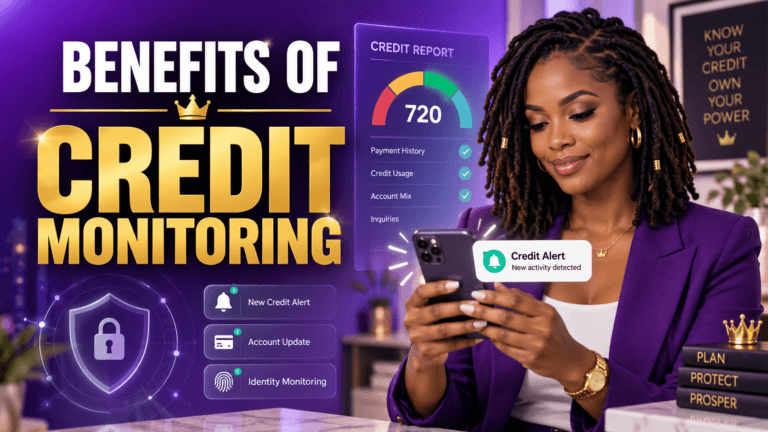
Credit monitoring can help you watch for changes between your full report reviews. Compare the service’s bureau coverage, alert speed, score model, price, cancellation terms, and identity-protection features before enrolling.
Check Your Credit & Explore MonitoringSee The Credit Queen’s monitoring-app guide
A Simple Credit Report Review Checklist
- Identity details: Are your name, addresses, and other identifying details accurate? An old address is not automatically evidence of fraud, but an address you never used deserves attention.
- Account ownership: Do you recognize every lender, loan, card, and collection? Remember that a store card may appear under the issuing bank’s name.
- Account status: Are open accounts shown as open and closed accounts shown as closed? Are you listed as an owner when you were only an authorized user?
- Payment history: Are any on-time payments incorrectly marked late? Check the month and year carefully.
- Balances and limits: Do reported balances and credit limits appear reasonable for the reporting date?
- Dates: Check the date opened, last payment date, and date of first delinquency where applicable.
- Duplicate debts: Make sure the same debt is not incorrectly listed more than once.
- Hard inquiries: Look for applications you do not recognize, while remembering that a lender’s legal or brand name may differ from the name you know.
What to Do If You Find an Error
You have the right to dispute inaccurate or incomplete information for free. The Consumer Financial Protection Bureau recommends disputing with both the credit reporting company and the business that supplied the information, known as the furnisher.
- Identify the exact error. State which account or item is wrong, explain why, and say whether you want it corrected or removed.
- Gather evidence. Use copies—not originals—of statements, canceled checks, identification, correspondence, or other documents that support your position.
- Submit disputes to both parties. Contact the bureau showing the error and the company that furnished it. Follow the instructions on your report or use the CFPB’s free sample dispute letters.
- Keep a paper trail. Save confirmation numbers, copies, dates, and results. If mailing a dispute, certified mail with return receipt can document delivery.
- Review the result. Investigations generally take 30 days, though some situations allow up to 45 days. Read the response and check the updated report carefully.
What If You Suspect Identity Theft?
If an account or other item appears to be the result of identity theft, act promptly. Visit IdentityTheft.gov for a personalized recovery plan. Depending on your situation, you may also need to contact creditors, place a fraud alert, freeze your credit files, block fraudulent information, and file appropriate reports.
A credit freeze restricts access to your file and can make it harder for an identity thief to open new credit in your name. A freeze is different from a fraud alert and does not prevent all forms of identity theft, so follow the official recovery steps for your circumstances.

How to Build a Healthier Credit Report
There is no instant fix, but consistent habits can strengthen the information that future scoring models see. Pay every bill on time, keep revolving balances manageable, apply for new credit thoughtfully, and review your reports regularly. If you are starting or rebuilding, explore Building Credit the Smart Way.
Also remember that you have many credit scores—not one universal number. Different lenders may use different scoring models, bureau data, and versions. Our guide to how credit scores are calculated explains the main factors without treating any single formula as the whole story.
Frequently Asked Questions
Does checking my own credit report lower my score?
No. Requesting and reviewing your own report is a soft inquiry and does not lower your score.
Why are my three credit reports different?
Not every creditor reports to every bureau, and updates may reach bureaus on different dates. Differences are not automatically errors, but each report should still be accurate.
Is my credit score shown on my free report?
Not necessarily. A credit report contains account and history data; a credit score is a separate calculation based on report data. Some services include a score, but confirm which model and bureau are being used.
How often should I review my reports?
At minimum, make a full review part of your annual financial routine. Consider checking more often when preparing for a major application, rebuilding credit, resolving errors, or recovering from identity theft.
The Bottom Line
Your credit report is a financial tool, not a report card on your character. Review all three reports, question information that looks wrong, dispute genuine inaccuracies with evidence, and build healthy history one month at a time.
Take Your Next Step Today
Start with your official free reports, then decide whether ongoing alerts would make your credit routine easier.
Get Your Official Free Reports Explore Credit MonitoringAffiliate disclosure: This post may contain affiliate links. If you use one, The Credit Queen may earn a commission at no additional cost to you. We only recommend services readers may find useful. This article is for educational purposes and is not legal, tax, or financial advice.